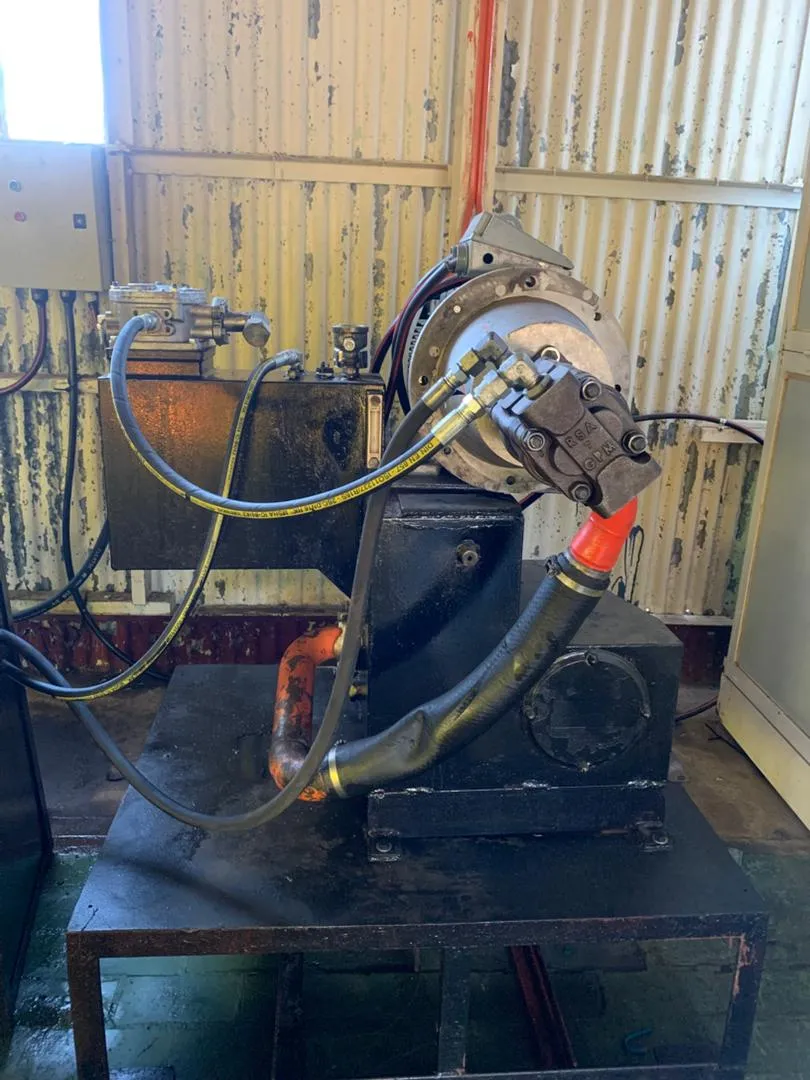
Hydraulic systems are the backbone of heavy machinery in mining and construction. Proper maintenance can extend their lifespan by decades and prevent costly downtime. Here's what every equipment operator should know.
Hydraulic systems operate under extreme pressures and conditions, making regular maintenance not just advisable but essential. A well-maintained hydraulic system can last 20 years or more, while a neglected one might fail within just a few years.
The most critical aspect of hydraulic maintenance is fluid management. Hydraulic fluid serves multiple purposes: it transmits power, lubricates components, and helps dissipate heat. Contaminated or degraded fluid is the leading cause of hydraulic system failures.
We recommend checking fluid levels daily and testing fluid quality monthly. Look for signs of contamination such as discoloration, unusual odor, or visible particles. Many operators are surprised to learn that water contamination as low as 0.1% can reduce bearing life by 50%.
Seal integrity is another crucial factor. Hydraulic seals prevent fluid leakage and maintain system pressure. Regular inspection of seals, especially around cylinder rods and connection points, can prevent major failures. Replace seals at the first sign of wear—waiting until they fail completely can damage other components.
Temperature monitoring is often overlooked but vitally important. Hydraulic systems have optimal operating temperature ranges, typically between 100°F and 180°F (38°C to 82°C). Operating outside these ranges accelerates wear and reduces fluid effectiveness.
At Loyalty Investments, our hydraulics division offers comprehensive maintenance programs designed to maximize equipment uptime and minimize repair costs. From routine inspections to complete system overhauls, we have the expertise to keep your hydraulic systems running at peak performance.
Written by
Eng. GM Tigere
Explore More Insights
Discover more expert articles on industrial engineering and manufacturing.
View All Insights